Make your product the obvious choice in an AI-shaped market.

Twegs helps B2B tech teams sharpen positioning, build proof for the full buying group, and turn the approved message into AI-assisted workflows. Your website, launches, battlecards, and sales conversations pull from the same product truth.

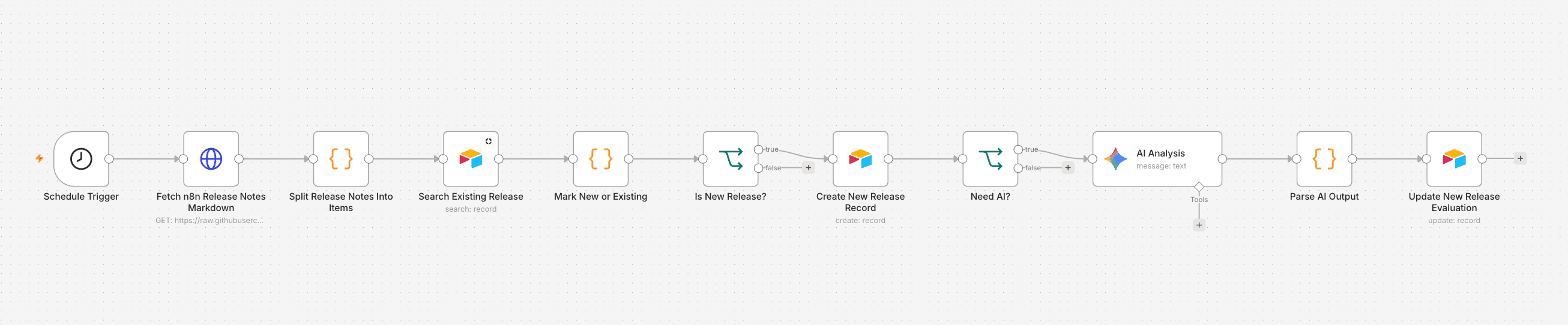
An AI workflow being presented to a live audience at TomTom Amsterdam
Field work · AmsterdamA working AI workflow, presented live at TomTom.
Led by Sophie JonssonGoogle Cloud AI GTMAI startup GTM from zeroOracle enterprise salesView LinkedIn profile

01 · The buyer shift

Buyers research alone, then look for someone to confirm it.

AI split the human buying journey in two. Buyers want fast, self-directed answers early, then credible people and specific proof when the decision becomes risky.

AI is already in the buying group

45%of B2B buyers used generative AI in a recent purchase, mainly to research vendors and products.

Gartner, 2026

The website is one stop in a longer journey

10channels are used in the average B2B buying journey. The company website is one of the three most-used touchpoints.

McKinsey B2B Pulse, 2024

Buyers still want a human to confirm it

69%of B2B buyers prefer to validate AI-generated insights with a sales rep before they move forward.

Gartner, 2026
The product marketing implication:

Make the story easy to discover and evaluate without a meeting. Then give sales the evidence to validate it and give hidden buyers the language to build internal support. The 2025 Edelman–LinkedIn study found that those hidden buyers actively use clear, perspective-shifting thought leadership to evaluate, and advocate for, less familiar vendors. Read the study ↗

02 · Point of view

You already have enough content. What you need is a message system that learns.

AI makes the production step cheap. It does not decide which customer to prioritize, which competitive frame helps them understand the product, which promise the company can defend, or which proof will satisfy finance, security, and the end user at the same time.

Those are product marketing decisions. They need evidence, disagreement, and human judgment. Once agreed, they should not be trapped in a PDF. They should become the source material, guardrails, proof, and review logic used by every person and every AI workflow that speaks for the product.

The final piece is the loop back: sales objections, buyer questions, win/loss patterns, and market response continuously sharpen the system. Faster production matters only when the message gets smarter too.

We wrote up the full argument, with the data and industry playbooks behind it, in Product Marketing in the Age of AI, our 2026 research report.

03 · What we build

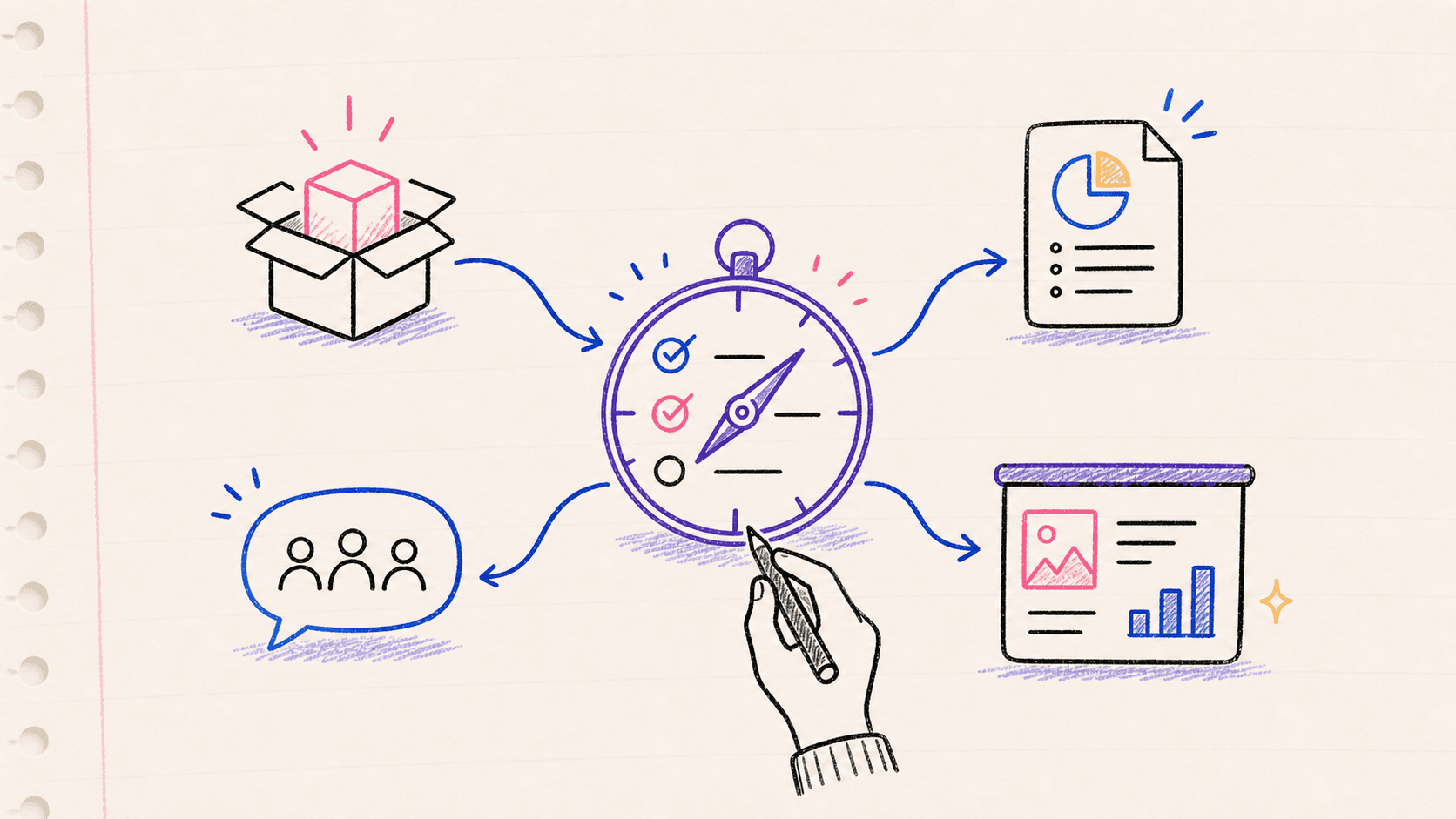
Everything a buyer touches, fed from the same positioning core.

The system we leave behind: product truth that gets easier to use and harder to dilute.

04 · Work with Twegs

Start with the constraint. Choose only the work that solves it.

These are three distinct engagements. Start where the problem is now. Each is standalone, with a fixed scope, a fixed fee, and a clear handoff.

01

Buyer & Message Audit

One week

When you can see the symptoms but still need to find the real constraint.

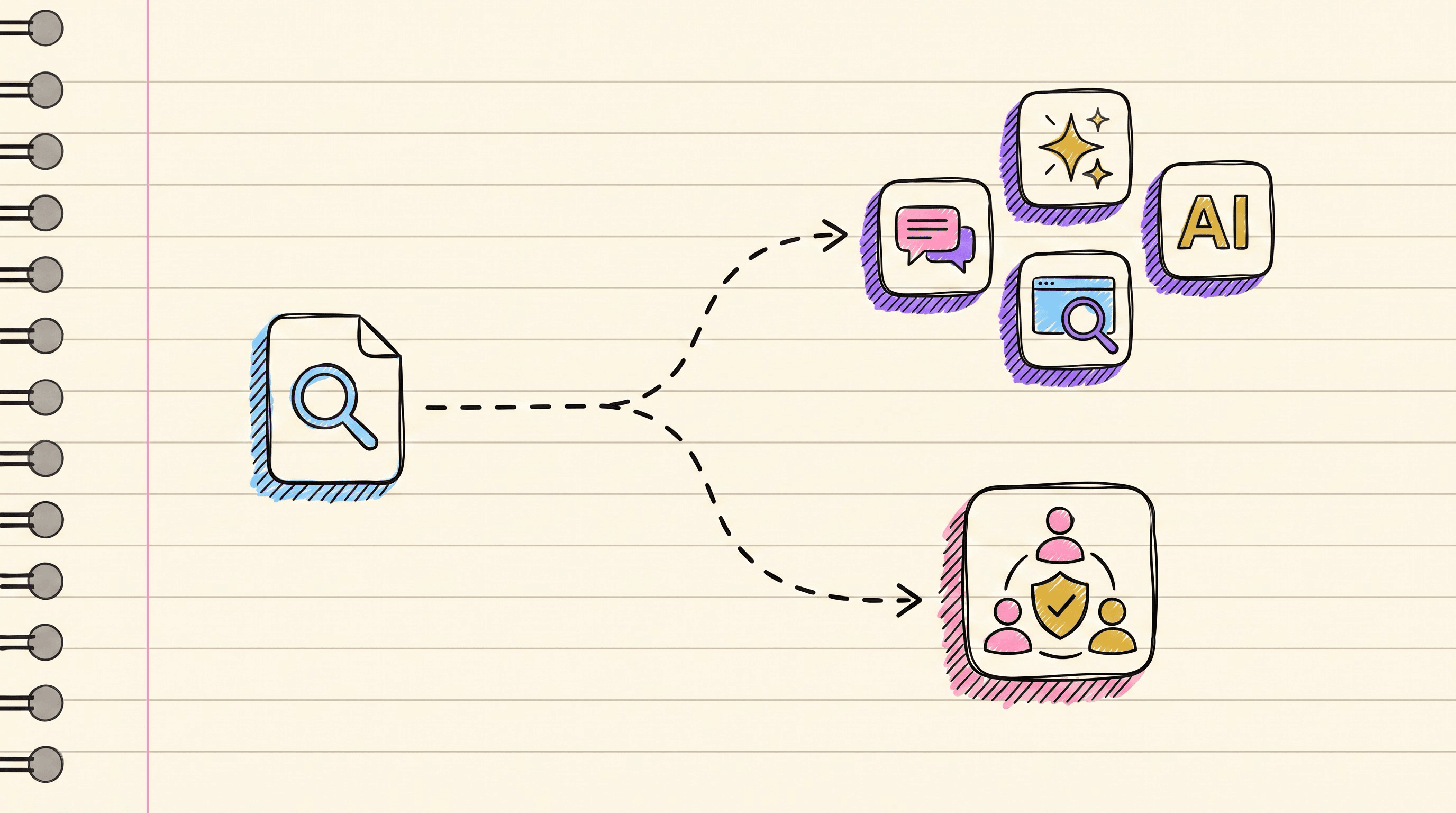
We trace how buyers research, how sales answers, and how positioning turns into content today. That includes a share-of-answer baseline: what ChatGPT, Claude, Gemini, and Perplexity say when buyers ask about your category, and who they recommend instead. Plus the customer language hiding in calls and tickets, the proof missing for different stakeholders, and the places your message drifts.

You leave with: A buyer-and-message diagnosis, your AI share-of-answer baseline against competitors, and a prioritized plan you can execute with or without us.

02

Positioning & Proof Sprint

Three weeks

When the product is strong, but buyers repeat a weaker story than the team does.

Structured decision work with founders and GTM leads. We work through competitive alternatives, the value only you can claim, the customers who care most, and the proof each member of the buying group needs to move the decision forward.

You leave with: An agreed positioning, a proof architecture by buyer, and messaging guardrails every asset can be held against.

03

AI Messaging System Build

Four to six weeks

When AI speeds up production but also multiplies inconsistency and review work.

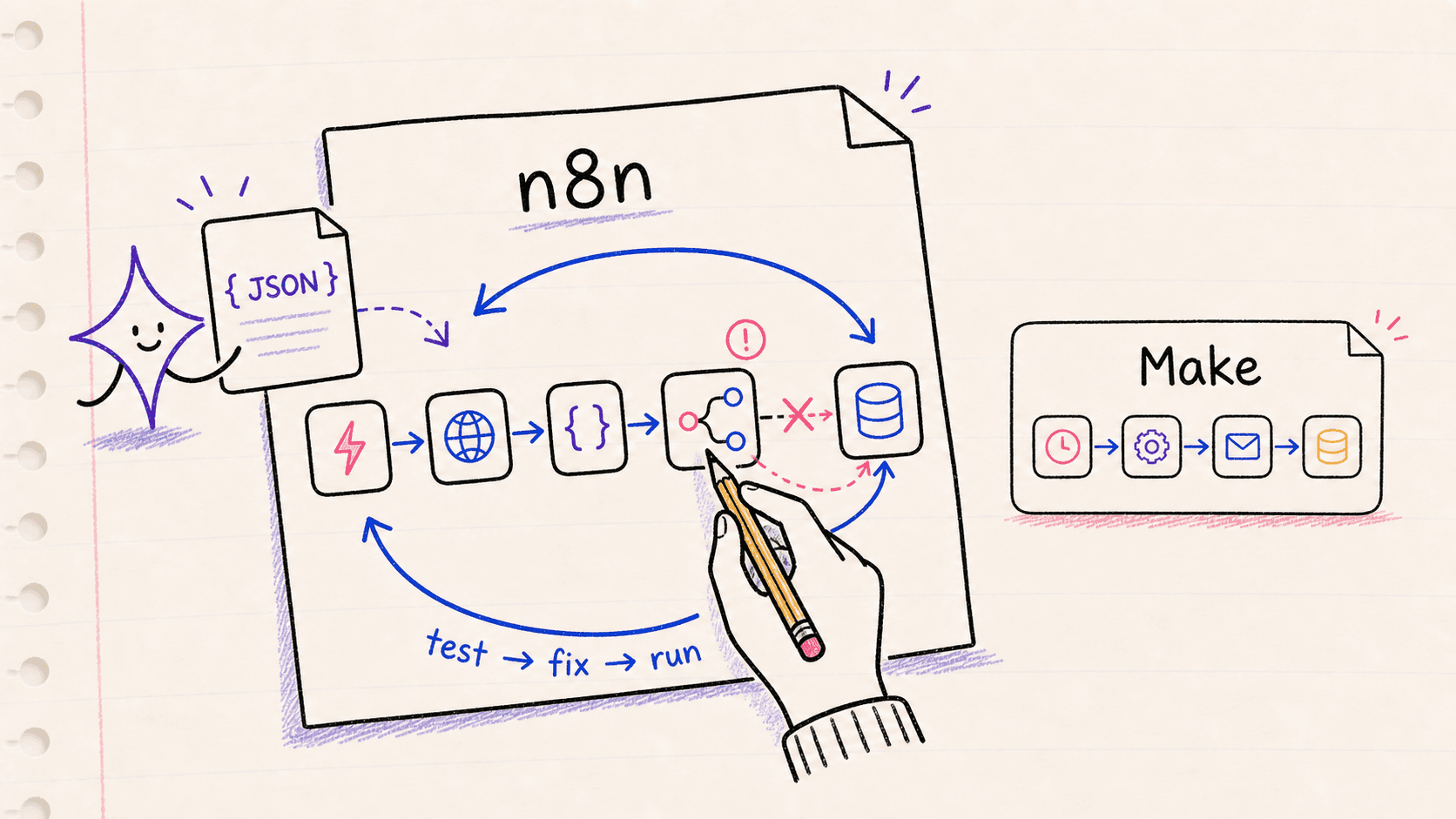
We wire approved positioning into a working system inside your stack: customer-language and claims libraries, prompts grounded in evidence, reusable asset templates, a human review path, and a feedback loop from sales. Every page is structured for the second reader too, the AI engines where shortlists now form. No blank prompts and no black-box content engine.

You leave with: A running system your team owns, a claims library sales can trust, launch and enablement templates, and training so it survives our exit.

The working model is the same, whichever engagement fits

01

Fit before pitch

You share the constraint. We tell you whether one of these engagements is the right intervention.

02

Scope before start

One outcome, one fixed fee, one end date. The people needed to make decisions are named up front.

03

Decisions in the room

We work from customer evidence, make the hard choices together, and test the output against real buying situations.

04

Handoff, not dependency

You leave with the decisions, tools, and training to keep the work useful after the engagement ends.

Best fit: B2B tech teams with a live product, real customers, and a founder or marketing leader ready to make decisions. Not outsourced content production, strategy theatre, or an open-ended retainer.

05 · The research

The 2026 report: how AI rewired B2B buying.

Cover art for Product Marketing in the Age of AI, the Twegs 2026 report
2026 research report · 31 pages · free

Product Marketing in the Age of AI

How AI-mediated buying, cheap production, and the AI product wave are rewiring the PMM discipline. Ten exhibits of sourced data, playbooks by industry and by segment, and a twelve-month roadmap. The executive summary and Part I are free to read on the page.

94%of B2B buyers used AI in their most recent purchase
2.5vendors on the average shortlist, down from 3.2
51%start research in an AI chatbot, not a search engine

06 · Questions

Enough detail to decide whether a conversation is worth it.

What does product marketing consulting in the AI age include?

It starts with the same hard work product marketing has always required: customer evidence, competitive context, positioning, claims, proof, and buying-group enablement. The difference is that the approved message is then built into the AI-assisted workflows your team uses to create launch pages, battlecards, sales emails, and other assets.

Can we work with Twegs just on positioning?

Yes. The three-week Positioning and Proof Sprint is a complete, standalone engagement. You leave with an agreed positioning, proof architecture, and messaging guardrails. A system build only follows if it would solve a real operating problem.

Do we need an AI stack already?

No. We start with the work and the decisions, not the tools. If a build makes sense, it happens inside tools your team can own. We do not prescribe a large new stack just to make the project look more technical.

What is an AI messaging system?

It is the operating layer between your positioning and the assets your team ships: customer-language and claims libraries, messaging guardrails, reusable prompts and templates, a review path, and a feedback loop from sales and market response. It helps people and AI produce from the same source of truth.

How do engagements and fees work?

Every engagement has a fixed scope, fixed fee, named deliverables, and an end date. We discuss the fee on the first call after confirming which problem is in scope. There are no open-ended retainers.

Bring one messy GTM problem.

Tell us what you sell, who should choose it, and where the message or workflow breaks. You will get an honest answer on whether Twegs is a fit, and the smallest engagement that would solve it.

Write to Sophie →